
Walking Into Wellness: How Nature Heals the Mind, Body, and Soul
Discover how fungi shape ecosystems, recycle nutrients, support plant life, heal environments, and influence Earth’s biological future. Explore the fascinating and often overlooked role of fungi in the planet’s life cycle.
NATUREENVIRONMENTALHEALTH & FITNESS
11/27/20256 min read
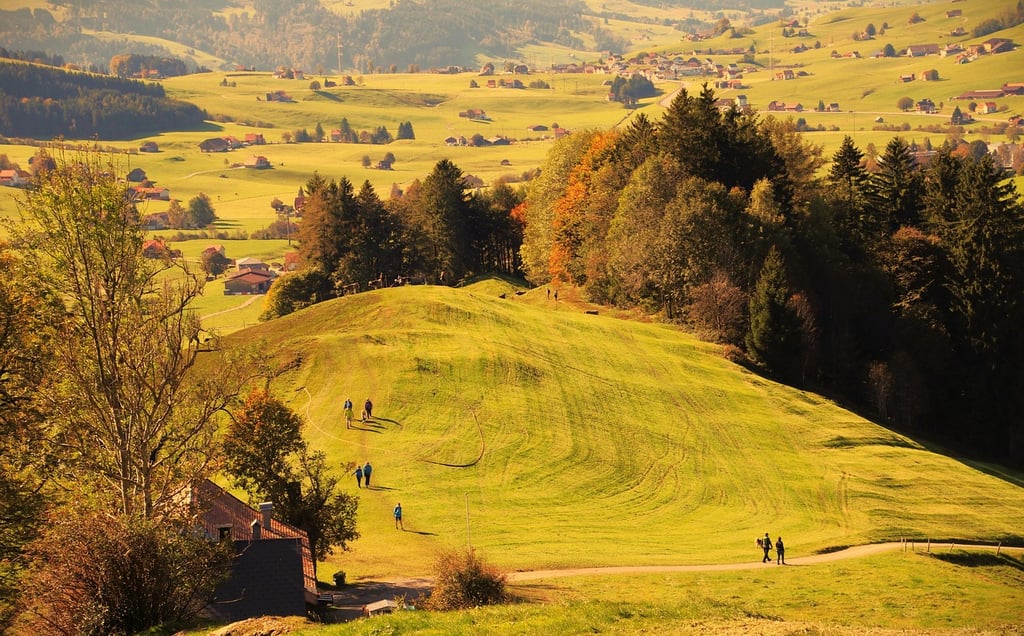
The Healing Power of Nature: A Mindful Walk
In a world dominated by screens, schedules, and constant stimulation, many people feel mentally exhausted, emotionally disconnected, and physically tense. Despite unprecedented technological advancement, rates of anxiety, burnout, and chronic stress continue to rise. Amid this paradox, one of the most effective and accessible remedies remains surprisingly simple: walking mindfully in nature.
A mindful walk in nature is not about fitness goals, counting steps, or reaching a destination. It is about reconnecting—with your body, your breath, your senses, and the natural world around you. This practice blends ancient wisdom with modern neuroscience, offering profound benefits for mental clarity, emotional resilience, and overall well-being.
This article explores the healing power of nature through mindful walking. We will examine the science behind it, the psychological and physiological benefits, how to practice it effectively, and why this gentle habit may be one of the most powerful wellness tools available today.
Understanding Mindful Walking
Mindful walking is the practice of walking slowly and deliberately while paying full attention to the present moment. It originates from mindfulness traditions, particularly Buddhism, but has since been embraced by psychology, wellness science, and modern therapeutic practices.
Unlike regular walking, mindful walking emphasizes awareness rather than movement. The focus shifts to sensations such as:
The feeling of your feet touching the ground
The rhythm of your breath
The sound of leaves rustling or birds calling
The play of light and shadow
The temperature of the air on your skin
When practiced in nature, mindful walking becomes even more potent. Nature provides a multi-sensory environment that naturally anchors attention and soothes the nervous system.
Why Nature Is Inherently Healing
Humans evolved in natural environments for hundreds of thousands of years. Only recently—on an evolutionary timescale—have we moved indoors, surrounded by artificial light, noise, and digital stimuli. This mismatch between our biology and our modern environment contributes significantly to stress and mental fatigue.
Biophilia: Our Innate Connection to Nature
The concept of biophilia, introduced by biologist E.O. Wilson, suggests that humans have an innate affinity for the natural world. This connection is not sentimental—it is biological. Our brains respond positively to natural patterns, such as flowing water, fractal shapes in trees, and rhythmic natural sounds.
Research consistently shows that exposure to natural environments leads to:
Lower cortisol (stress hormone) levels
Reduced heart rate and blood pressure
Improved mood and emotional regulation
Enhanced cognitive performance
Nature does not merely distract us from stress; it actively restores depleted mental and emotional resources.
The Science Behind Mindful Walking in Nature
Modern science increasingly validates what ancient cultures have long understood: nature heals.
1. Nervous System Regulation
Mindful walking in nature activates the parasympathetic nervous system, responsible for rest, digestion, and recovery. This counters the chronic activation of the sympathetic “fight-or-flight” response common in modern life.
As a result, the body shifts into a state of calm alertness, allowing muscles to relax, breathing to deepen, and mental tension to dissolve.
2. Reduced Mental Rumination
Urban environments demand constant directed attention—traffic lights, notifications, conversations. This leads to cognitive fatigue and rumination. Natural environments, by contrast, engage soft fascination, allowing the mind to rest without becoming bored.
Mindful walking enhances this effect by intentionally grounding attention in the present moment, interrupting repetitive thought loops linked to anxiety and depression.
3. Improved Brain Function
Studies using neuroimaging have shown that time spent in nature reduces activity in the prefrontal cortex associated with rumination and stress. Simultaneously, areas linked to creativity, emotional regulation, and empathy become more active.
This explains why people often report clearer thinking, improved problem-solving, and emotional relief after a mindful walk outdoors.
Emotional Healing Through Nature Walks
Releasing Emotional Tension
Emotions are not only mental experiences; they are stored in the body. Chronic stress, unresolved grief, and anxiety often manifest as physical tension.
Mindful walking allows emotions to surface gently without force. As attention shifts from thinking to sensing, emotional energy can move and release naturally.
Many people experience:
Emotional clarity
Unexpected insights
A sense of emotional “lightness”
Reduced overwhelm
Cultivating Presence and Acceptance
Nature exists without judgment or urgency. Trees do not rush. Rivers do not resist their flow. When walking mindfully in nature, we are subtly reminded that it is safe to slow down.
This environment supports emotional acceptance—allowing feelings to arise and pass without suppression or resistance.
Mental Health Benefits of Mindful Nature Walks
Anxiety Reduction
Numerous studies show that walking in green spaces significantly reduces symptoms of anxiety. When combined with mindfulness, the effects are amplified.
Mindful walking teaches the mind to return to the present moment, breaking the cycle of future-oriented worry that fuels anxiety.
Depression Support
While not a replacement for professional treatment, mindful walking in nature has been shown to reduce depressive symptoms, particularly mild to moderate depression.
Key mechanisms include:
Reduced rumination
Increased physical movement
Exposure to natural light
A sense of connection beyond the self
Enhanced Focus and Cognitive Clarity
Mindful nature walks act as a reset for the brain. After even 20–30 minutes, many people report improved focus, memory, and mental sharpness.
This makes mindful walking particularly beneficial for professionals, creatives, and students experiencing mental fatigue.
Physical Benefits Beyond Mental Health
Although mindful walking is gentle, its physical benefits are substantial.
Improved Circulation and Mobility
Walking increases blood flow, lubricates joints, and supports cardiovascular health without placing stress on the body.
Hormonal Balance
Regular exposure to nature has been linked to improved hormonal regulation, including reductions in cortisol and improvements in serotonin and dopamine balance.
Immune System Support
Time spent in forests—often referred to as forest bathing—has been associated with increased activity of natural killer (NK) cells, which play a role in immune defense.
How to Practice a Mindful Walk in Nature
Mindful walking requires no special equipment or prior experience. What matters is intention and attention.
Step 1: Choose a Natural Setting
Ideal locations include:
Parks and gardens
Forest trails
Beaches
Lakesides
Countryside paths
Even urban green spaces can be effective.
Step 2: Set an Intention
Before you begin, pause and set a simple intention, such as:
“I am here to observe.”
“I will walk with awareness.”
“I allow myself to slow down.”
Step 3: Walk Slowly and Deliberately
There is no need to rush. Let your pace be slower than usual.
Bring attention to:
The sensation of your feet
The movement of your legs
The alignment of your posture
Step 4: Engage the Senses
Gently notice:
Sounds without labeling them
Colors and shapes
Textures underfoot
Scents in the air
If your mind wanders, return to sensory awareness without judgment.
Step 5: Breathe Naturally
Do not control your breath. Simply notice its rhythm. The breath often naturally deepens as the body relaxes.
Common Challenges and How to Overcome Them
“My Mind Won’t Stop Thinking”
This is normal. Mindfulness is not about stopping thoughts but noticing them without engagement. Each time you return attention to sensation, you are practicing successfully.
“I Don’t Have Access to Nature”
Even small exposures matter. A local park, a tree-lined street, or a quiet garden can provide benefits. Quality of attention matters more than grandeur of location.
“I Feel Restless or Impatient”
Restlessness often indicates stored stress. Allow it. Keep walking gently. The body usually settles with continued presence.
Integrating Mindful Walking Into Daily Life
You do not need long retreats or hours of free time.
Practical options include:
10–15 minutes during lunch breaks
Morning walks before work
Evening decompression walks
Weekend nature walks
Consistency matters more than duration.
Mindful Walking vs. Traditional Exercise
Unlike goal-oriented exercise, mindful walking emphasizes internal awareness over external outcomes. This makes it particularly suitable for individuals who feel overwhelmed by performance pressure or rigid fitness routines.
However, mindful walking can complement traditional exercise by enhancing body awareness, recovery, and emotional regulation.
Nature as a Mirror for Personal Growth
Beyond health benefits, mindful walking often leads to personal insights. Nature reflects impermanence, resilience, cycles, and balance—offering quiet lessons without words.
Many people report increased self-compassion, clarity in decision-making, and a deeper sense of meaning through regular mindful walks.
Final Thoughts: Walking Back to Ourselves
In a culture that glorifies speed, productivity, and constant engagement, mindful walking in nature is a quiet act of resistance. It reminds us that healing does not always require complexity or intensity. Sometimes, it begins with a single, conscious step.
The healing power of nature is not metaphorical—it is measurable, experiential, and deeply human. By walking mindfully, we do not escape life; we return to it with clarity, calm, and renewed presence.
Disclaimer
The information provided in this article is for educational and informational purposes only and is not intended as medical, psychological, or professional advice. Always consult a qualified healthcare provider regarding any mental or physical health concerns.
Affiliate Disclosure
Some links in this article may be affiliate links. This means that if you choose to make a purchase through these links, the website may earn a commission at no additional cost to you. These commissions help support the maintenance and growth of this site. We only recommend products and services that align with our values and that we believe may offer genuine value to our readers.